Tree of Life

A virtual gallery event and emergency relief fundraiser with 100% of profits going to Indian artisans

Many cultures around the world describe the beauty of sacred and life-sustaining trees, known by a variety of names including the “Tree of Life.” This ancient symbol represents nourishment, growth, renewal, and human interdependence. In art, the Tree of Life can appear as a verdant tree full of fragrant flowers, ripe fruits, and the playful dance of birds and other animals of the forests. In some cultures, the Tree of Life has magical or wish-fulfilling properties, which bestow blessings upon anyone who sits beneath its shade.

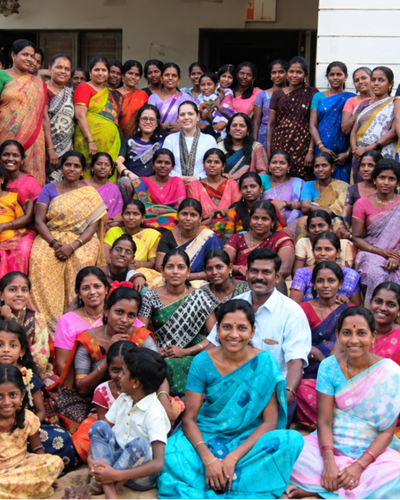
The “Tree of Life” is also a perfect metaphor for Khazana’s 30-year journey. Our mission—to support the work of emerging artisans and to nurture rare and ancient art forms—offers artisans exposure to a broader marketplace and creates tangible connections that reach across the globe.

Initially created as a temporary exhibition and relief fund to support artisans who were deeply impacted by COVID 19 in India, the Tree Of Life at Khazana continues as a platform to showcase the work of living artisans in South Asia and around the world.

Supriyo Sahoo

Visual artist

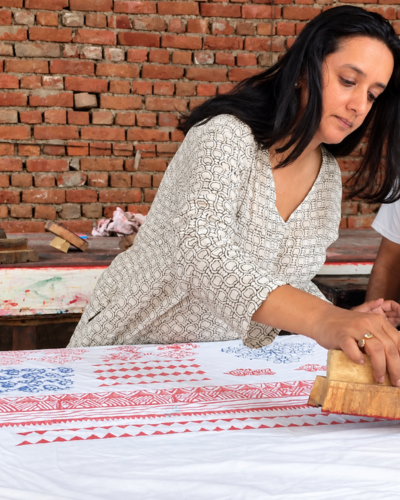
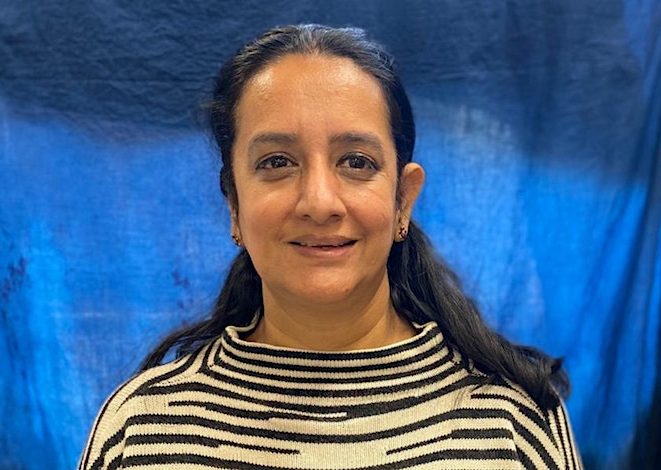
Supriya Sahoo is a Kolkata-based visual artist, textile designer and founder of RIMIL, a brand dedicated to reviving Bengal’s traditional Gamcha weaving. Inspired by folk art, tribal culture and everyday life, she blends traditional craftsmanship with contemporary designs, empowering local weavers and women artisans through her artistic creations.

Hemangini Rathore

Sudarshan Artisan Collective

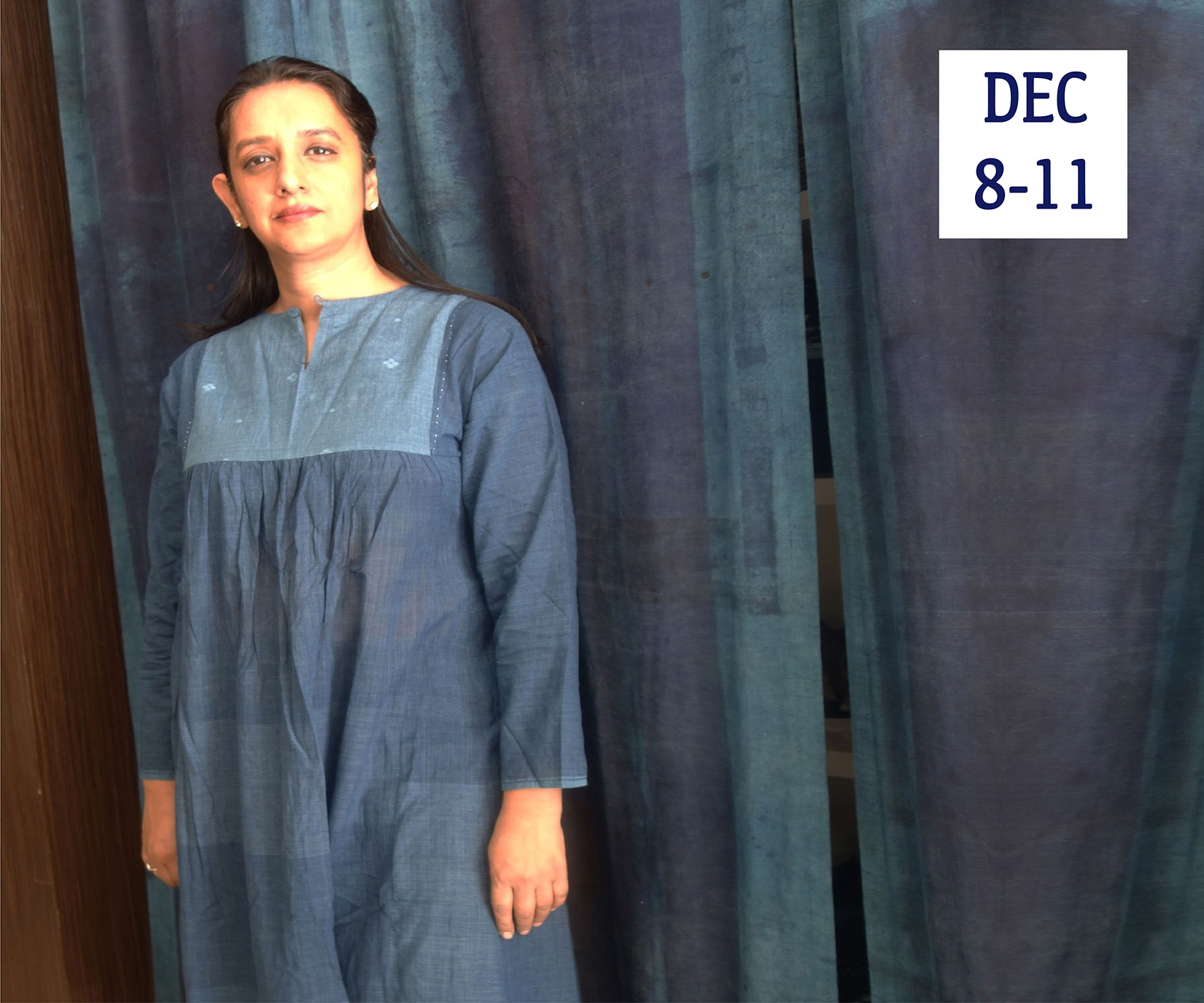
Hemangini Rathore is founder of Sudarshan, a thriving artist collective that aims to preserve and promote traditional techniques and motifs found in folk textiles from India by creating contemporary designs and products.

Rajan Vankar

Traditional Kutch Weaving

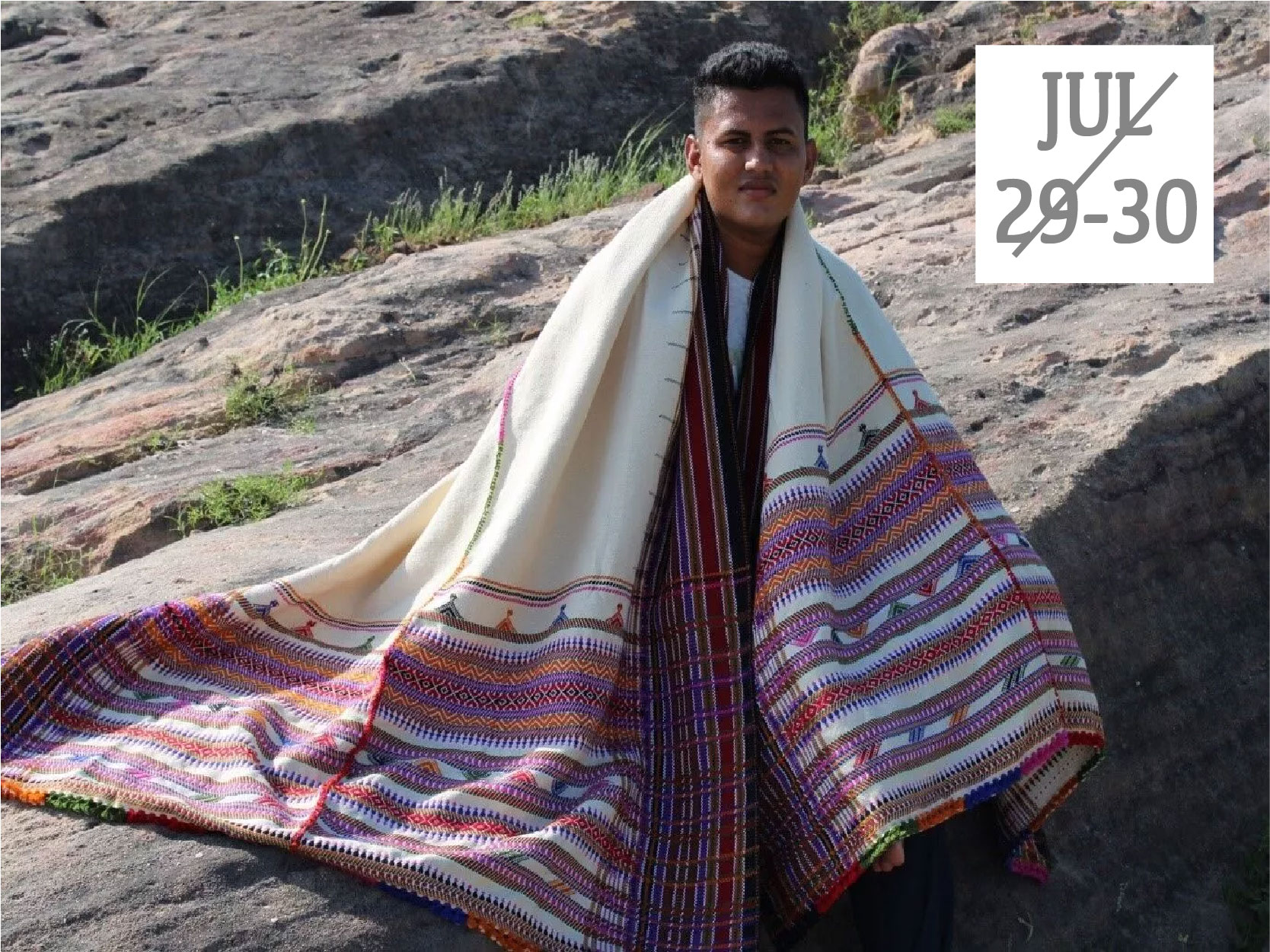
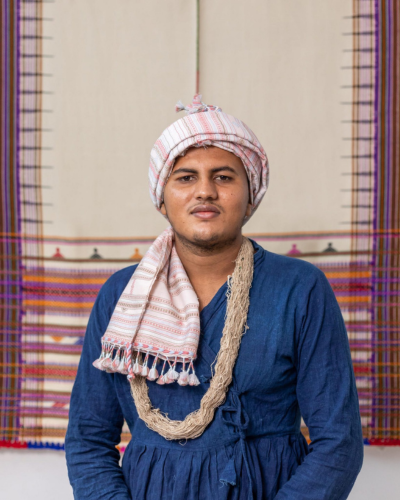
A 4th generation master weaver from the Sarli village located in the rural Kutch region of India, Rajan Vankar creates beautiful textiles. Vankar began weaving at the early age of nine. He learned weaving techniques by watching his father and grandfather weave in their family’s workshop. Rajan has continued on in his family’s footsteps and continues the 600-year-old tradition of Kutch weaving.

Anitha N Reddy

Siddi Quilts

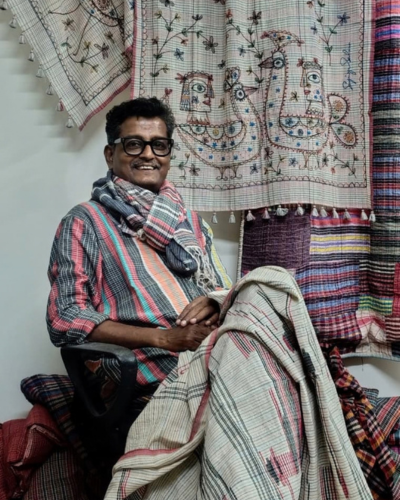
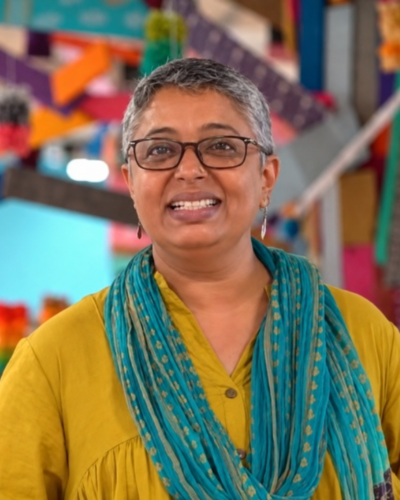
Anitha N Reddy, a community-based art practitioner and researcher, has been working with textiles for the past decade and has been involved with the marginalised Siddi (African-Indian ancestry) community quilters from Uttara Kannada an Dharwad district. This socially enagaged project gives them a livelihood and makes them more visible. 

Anil Vangad

Warli Artist

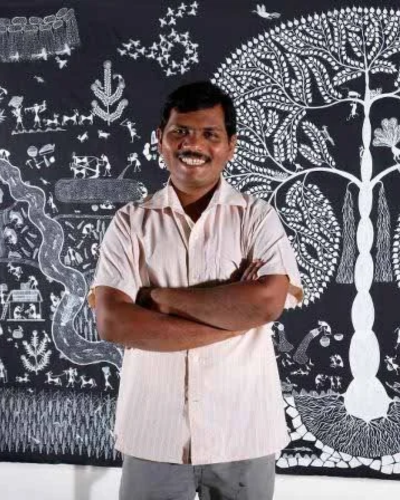
Anil Vangad hails from a small Warli tribal village in the state of Maharashtra, but his work has been exhibited across India, Europe and the U.S. As a child, he was entranced by watching his mother paint in the tribe’s traditional manner, and she taught him the techniques and imbued him with respect for its centuries-old roots. Vangad works exclusively with natural materials like rice paste, cow dung and charcoal, and advocates for other Warli painters to do the same and eschew synthetics. While his materials are historical, Vangad’s perspective is contemporary, documenting his thoughts and observations of modern village life in his paintings.

Dwaraka

Kalamkari Artists

Kalamkari is the popular name for mordant-painted and dyed fabrics created by drawing motifs and patterns onto silk and cotton fabric using natural dyes and a bamboo pen (kalam). This technique of painting natural dyes onto fabric has been used in India for centuries and was particularly popular along the southeastern Coromandel Coast. The British used to call this fabric chintz, from the Sanskrit word chitta, meaning spotted or colored cloth.

Inspiring Stories and Insights

Deepen your understanding of art and culture through Khazana’s Community Conversations.