We are starting a new series, where we will explore a different part #alongtheikattrail each week. We begin in Indonesia!! Ikat essentially simultaneously, in several areas of the world; Indonesia, Japan, Uzbekistan, India, Guatemala and Cambodia.
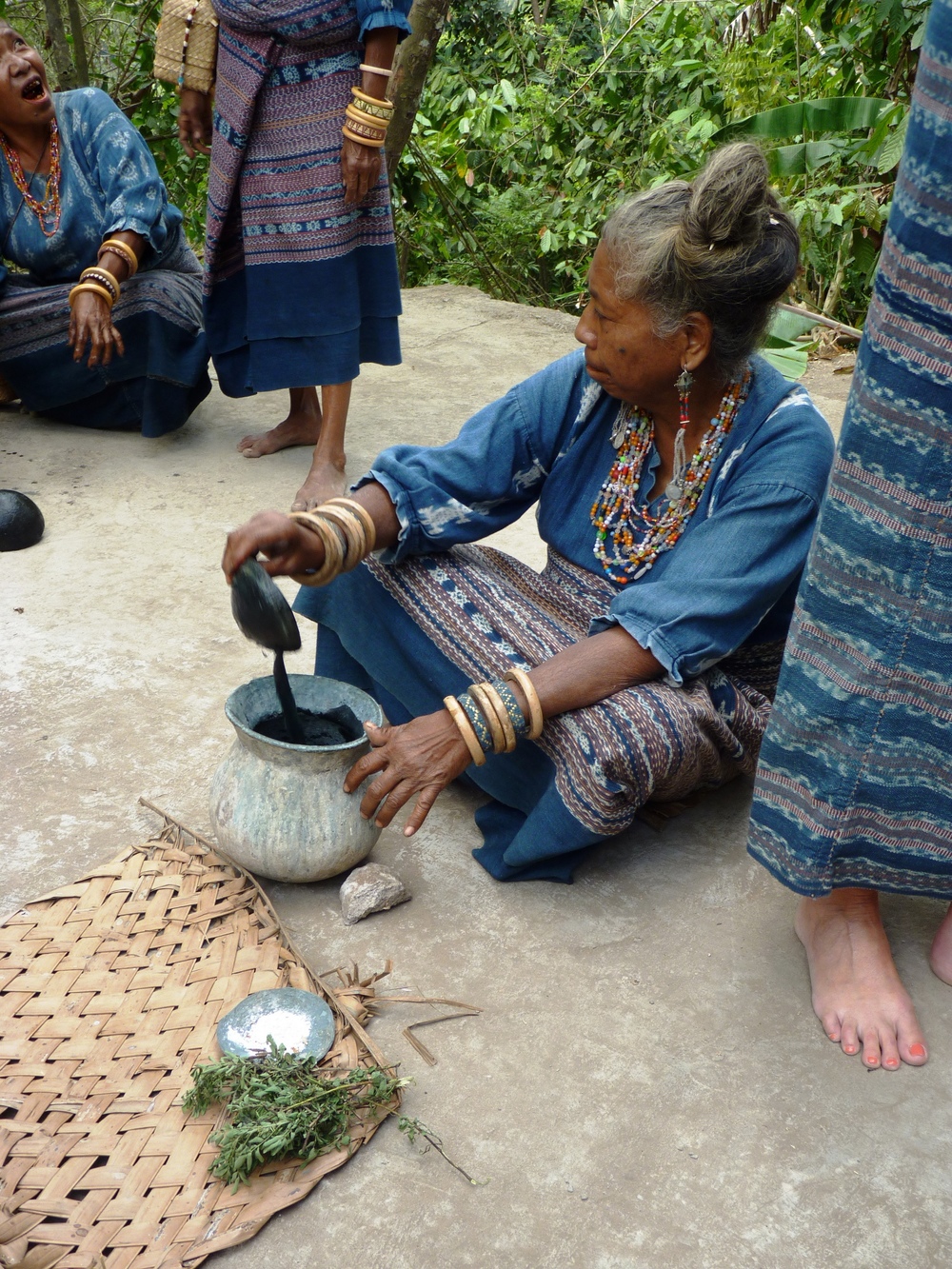

We are starting a new series, where we will explore a different part #alongtheikattrail each week. We begin in Indonesia!! Ikat essentially simultaneously, in several areas of the world; Indonesia, Japan, Uzbekistan, India, Guatemala and Cambodia.
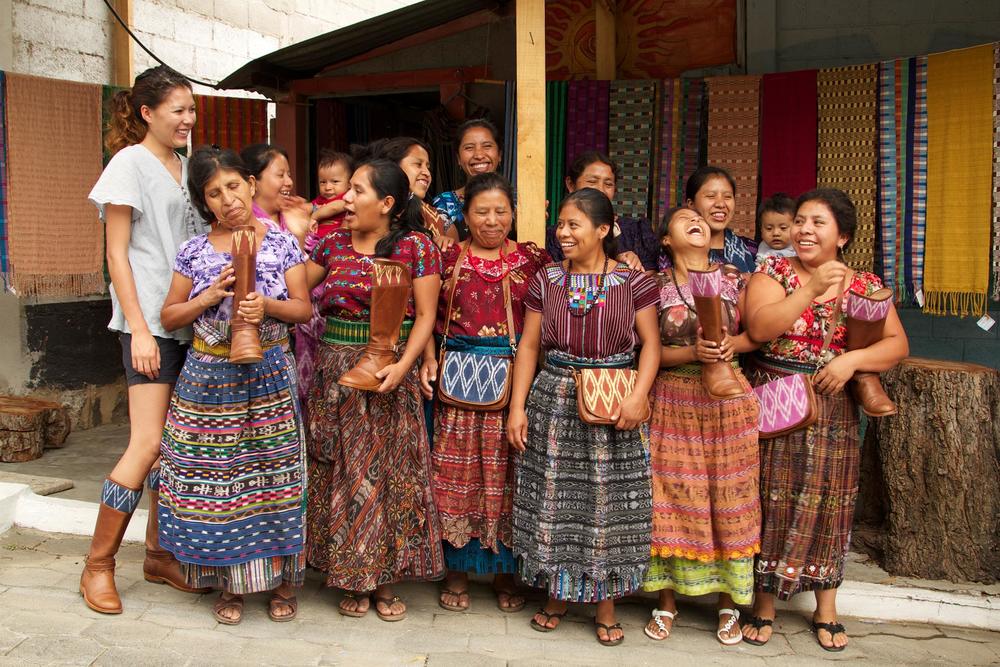
This is our third stop in the series of skates around the world and I am really excited to share this post with you. I love researching for these and have enjoyed digging deep into the world of ikat ( though I feel like I have really just begun to scratch the surface) but, I thought this week we would do something a little different.
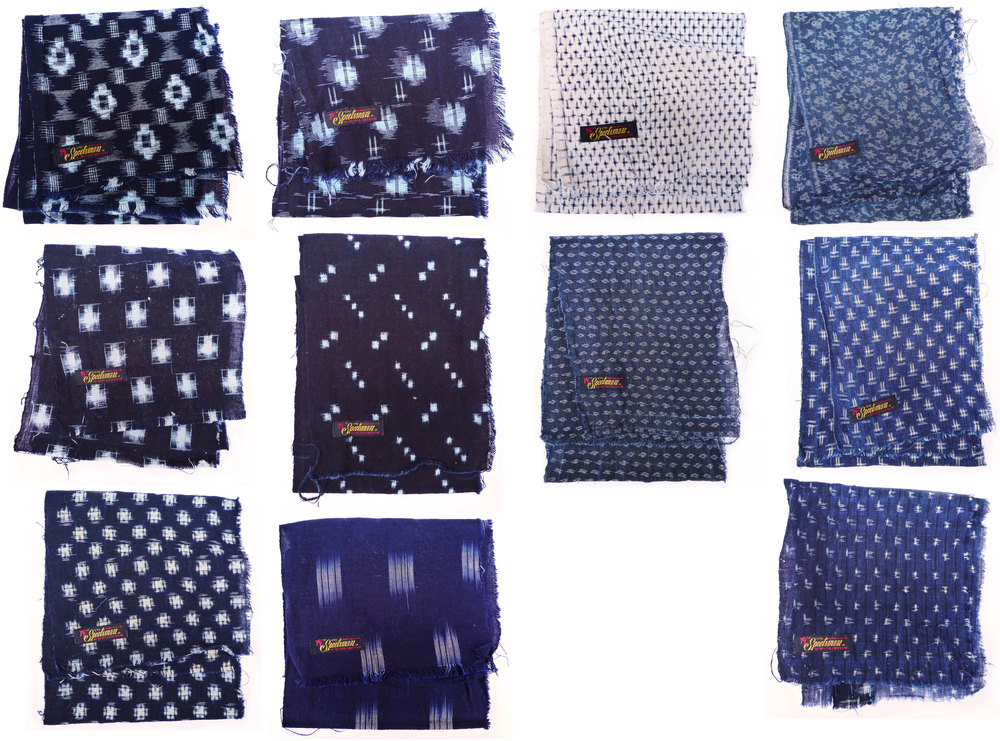
Japanese ikat, traditionally known as kasuri, is a beautiful example ( as are they all) of the way each culture where ikat exists has made it their own. Initially this weaving was done largely by daughters of farmers in the countryside, often using natural indigo.
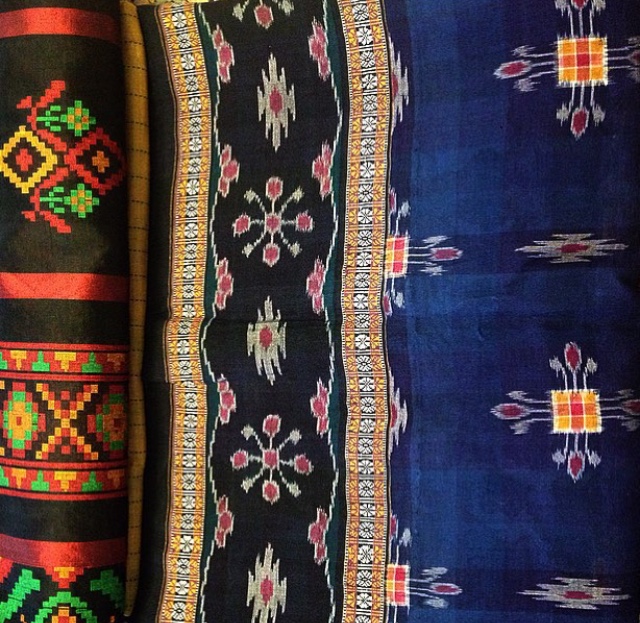
The loin loom is one of the earliest and most ancient ways of weaving used by women throughout the world. In ancient India, it was considered a sacred act linking the rhythms of the human body through breath, prana or life force, to the weave.
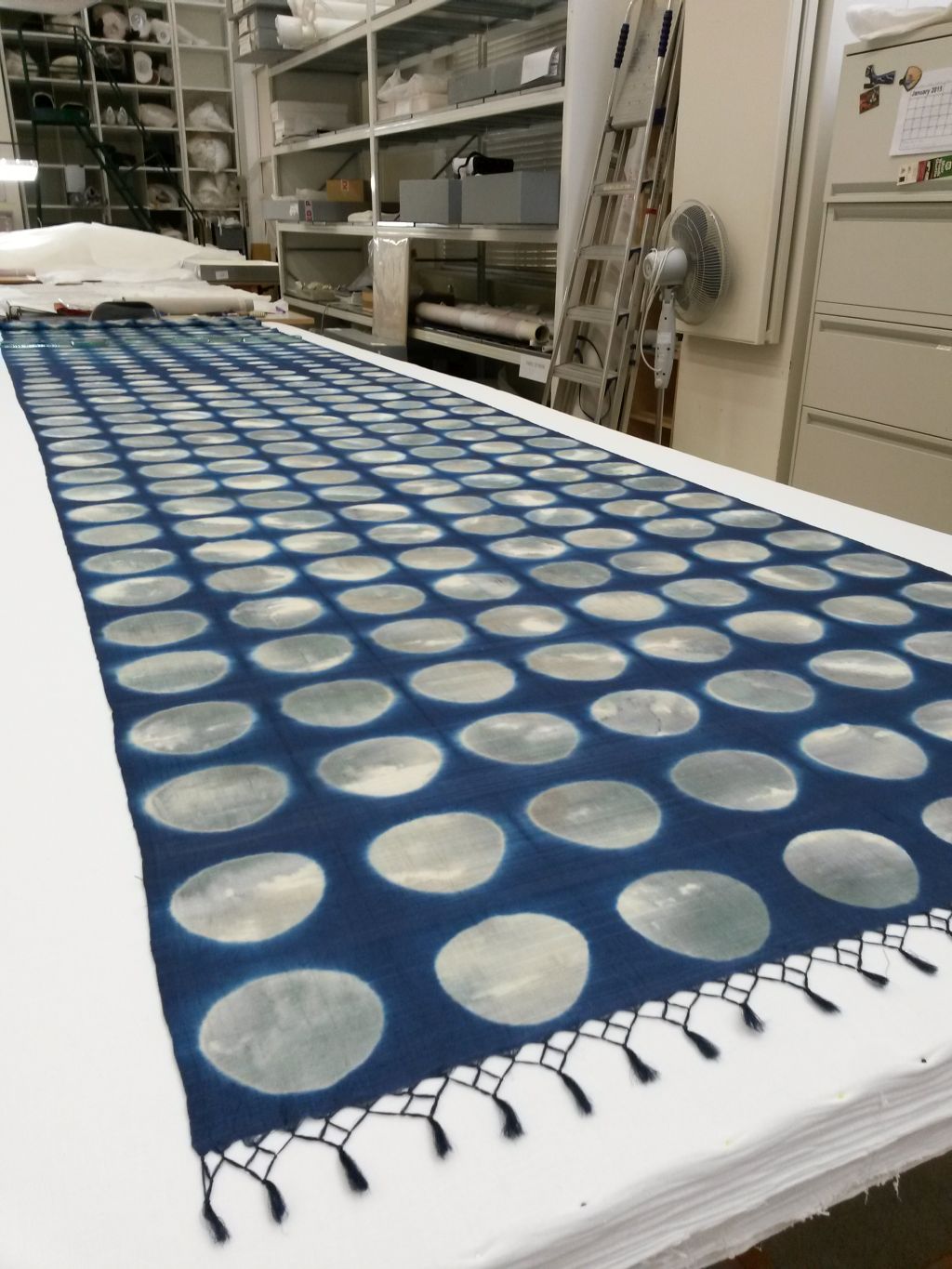
Much has been written about the revival of traditional techniques in Indian textile creation – from their adaptation to please a modern Indian aesthetic to their embellishment for the international market. Indeed, there is a hub of such activity in India, especially in the cities where top designers display garments inspired by traditional techniques, updated for a modern and urban clientele.
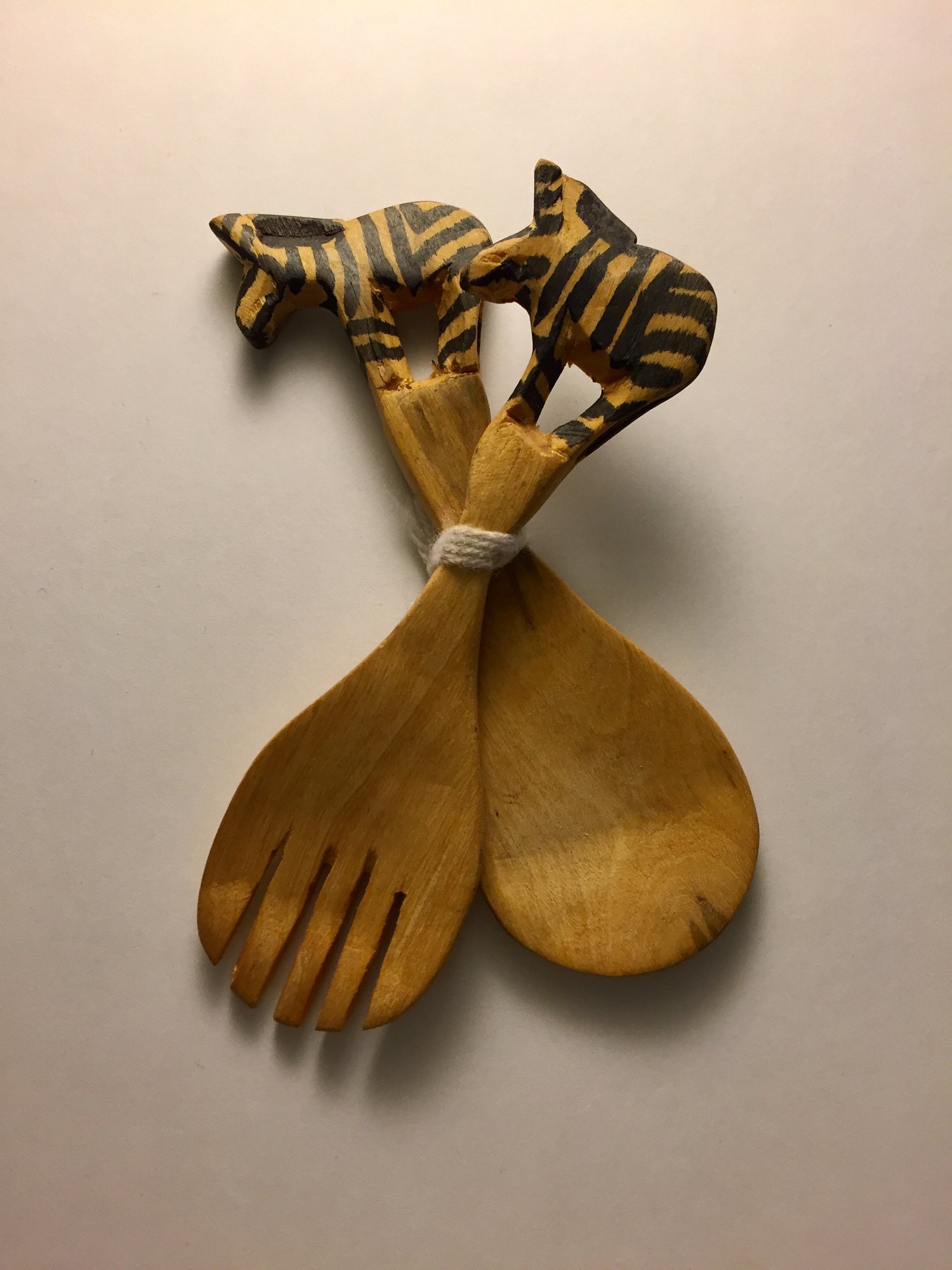
If we’re being delicate, the distinction between a work of art and a craft is an issue of semantics. In truer terms, the distinction is xenophobic drivel. The term, “art,” is often used to describe creative work that is finished for its own sake.
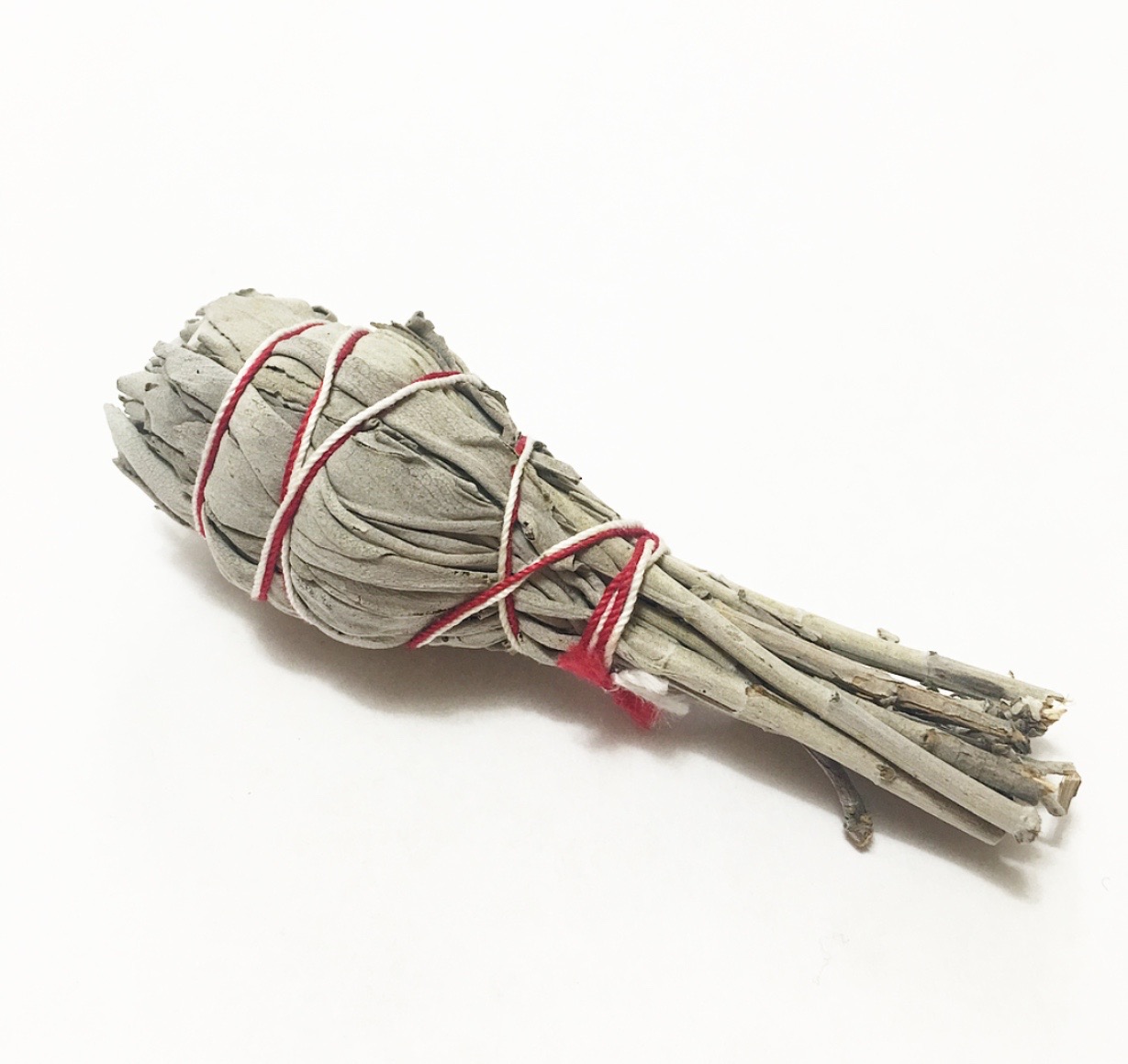
Khazana sells incense, books on holistic healing, and art from cultures that support the medical efficacy of practices like acupuncture. Customers often visit to purchase items that will help them to cleanse their environments- be they new homes, or their own minds.
Winter days at Khazana are meditative. They are darker and quieter than sunny spring and fall days, when the windows open with the shop doors in the morning. They are colder than summer days, when the air conditioning blasts on high. Despite its stillness, the shop continues to draw inquisitive customers.
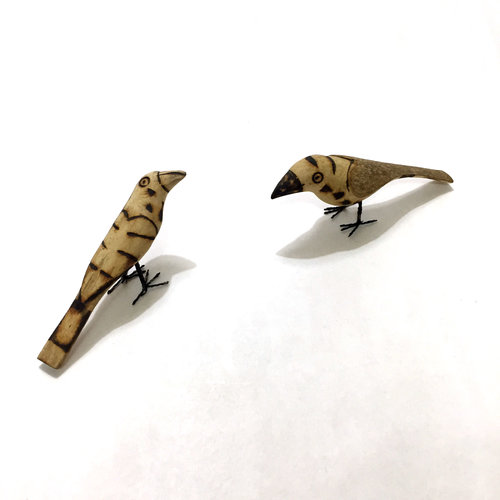
Unless you’ve been hibernating in a windowless winter bunker, or vacationing south of the Mason Dixon line, you know that spring is upon the Midwest. Minnesotans, rejoice! Now is the time to congratulate ourselves for having survived the tundra temperatures, and to celebrate by indulging ourselves in the newly hospitable outdoors.
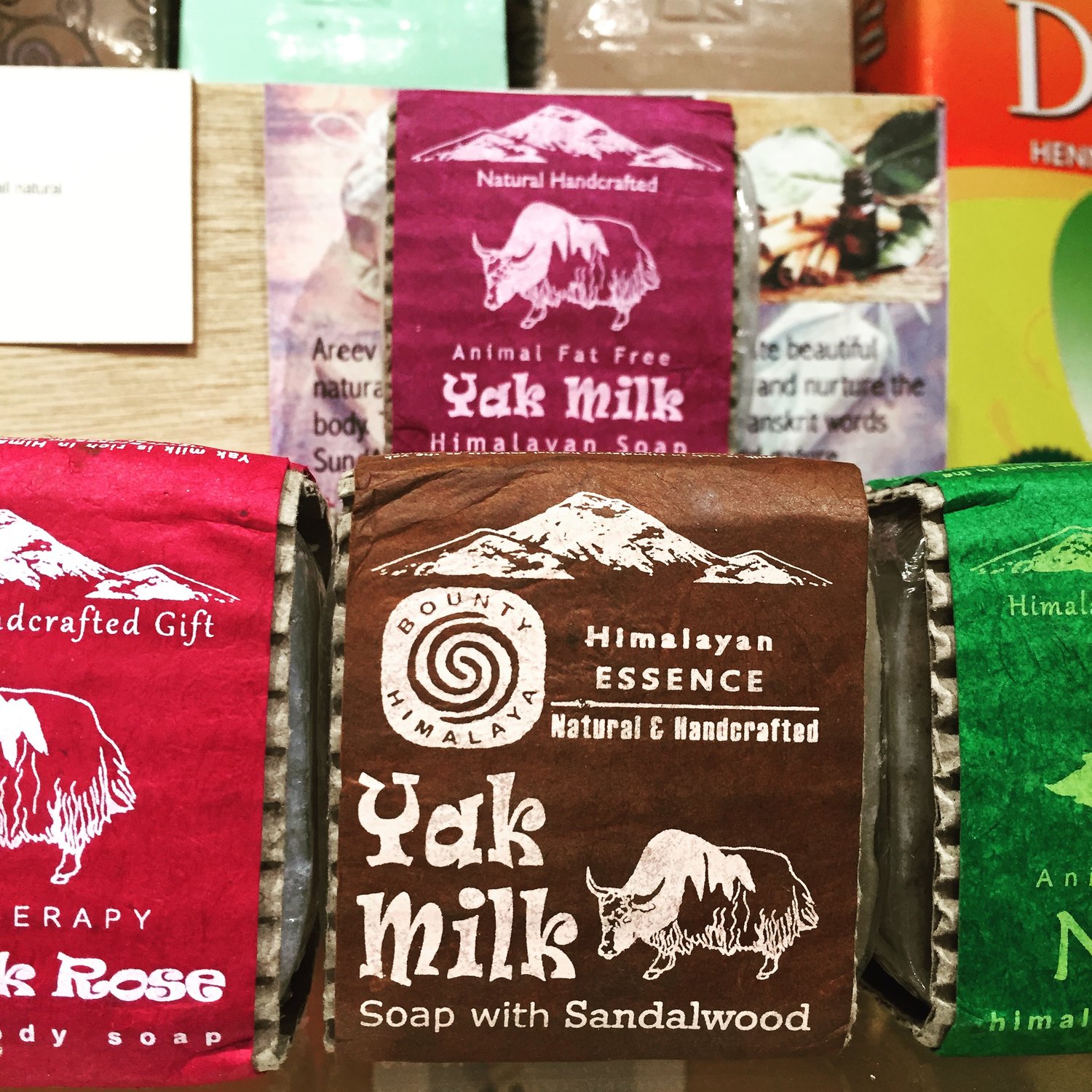
Khazana recently began selling yak milk soap. When I first saw the packages of soap among our displays, I guessed they would fly, snatched up by hipster skincare enthusiasts